If you’re researching subsidence, you’ll almost certainly encounter the term underpinning or piling. Many homeowners assume they are the automatic or unavoidable solution. In reality, that’s rarely the case.
At Shire, subsidence is approached as an engineering problem to be correctly diagnosed. Underpinning is one of many possible structural solutions, used only where engineering evidence clearly demonstrates it is necessary. In practice, stabilising a property often involves far less disruption than homeowners expect.
Subsidence is common in UK housing stock, particularly where clay soils, historic drainage, or mature trees are present. Crucially, not all subsidence requires disruptive deep foundations or piling works. Many cases can be successfully resolved by removing the cause and stabilising the ground or structure using targeted, proportionate measures.
What Is Subsidence, and Why Does It Affect UK Homes?
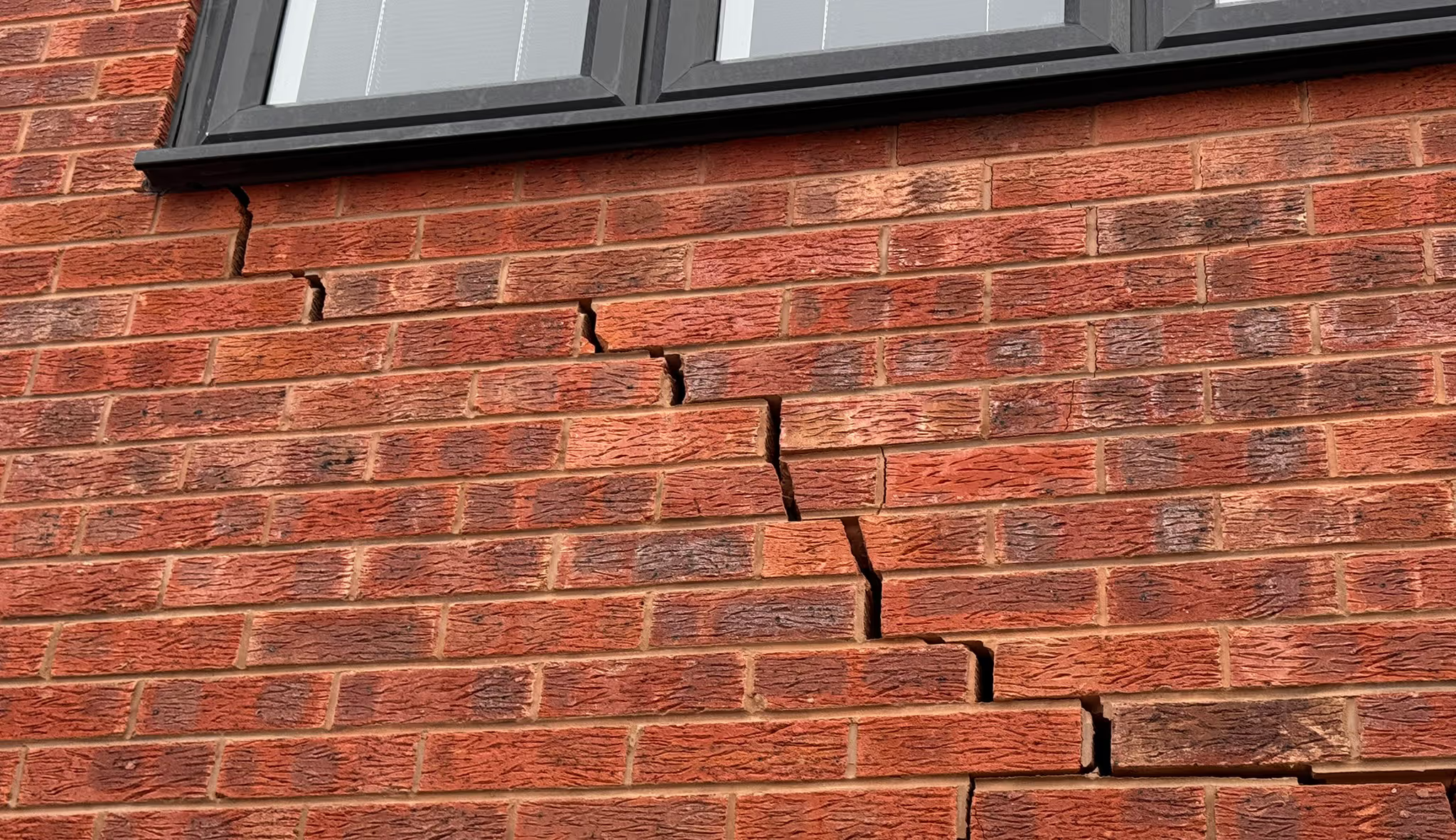
Subsidence occurs when the ground supporting a building loses strength or volume, leading to downward movement of foundations. This movement may be gradual and initially subtle, but if untreated, it can result in cracking and structural distortion.
In the UK, Shire investigations repeatedly identify a small number of recurring causes:
- Clay shrinkage related to seasonal moisture change
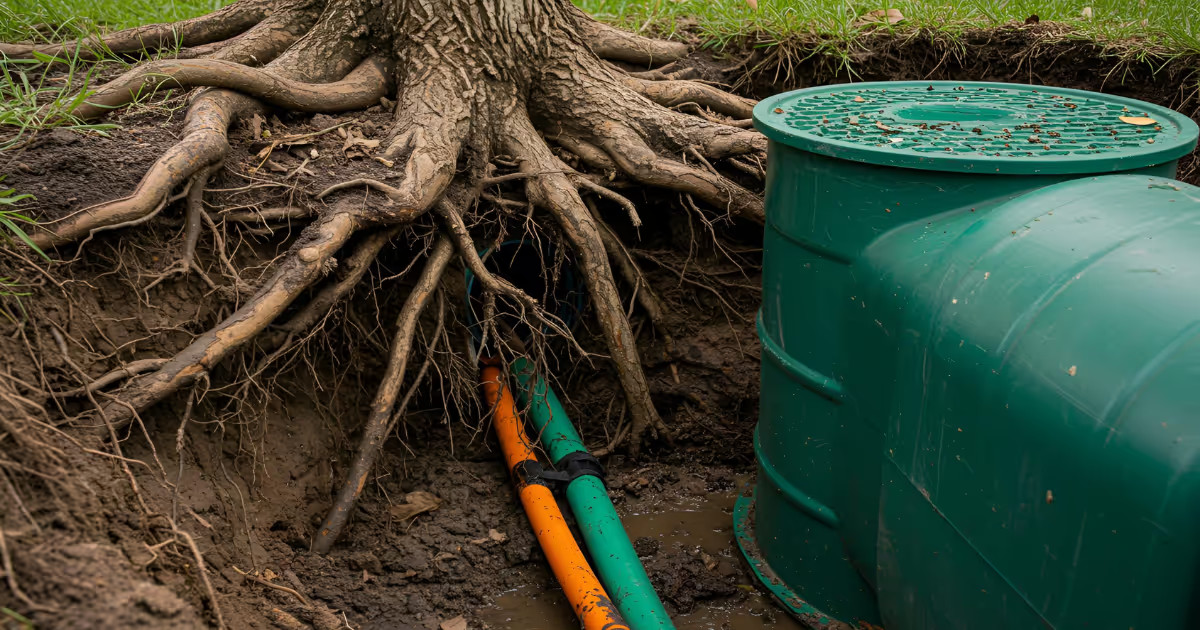
- Tree roots influence the reduction of soil moisture
- Leaking or defective drainage
- Poorly compacted or made ground beneath floors
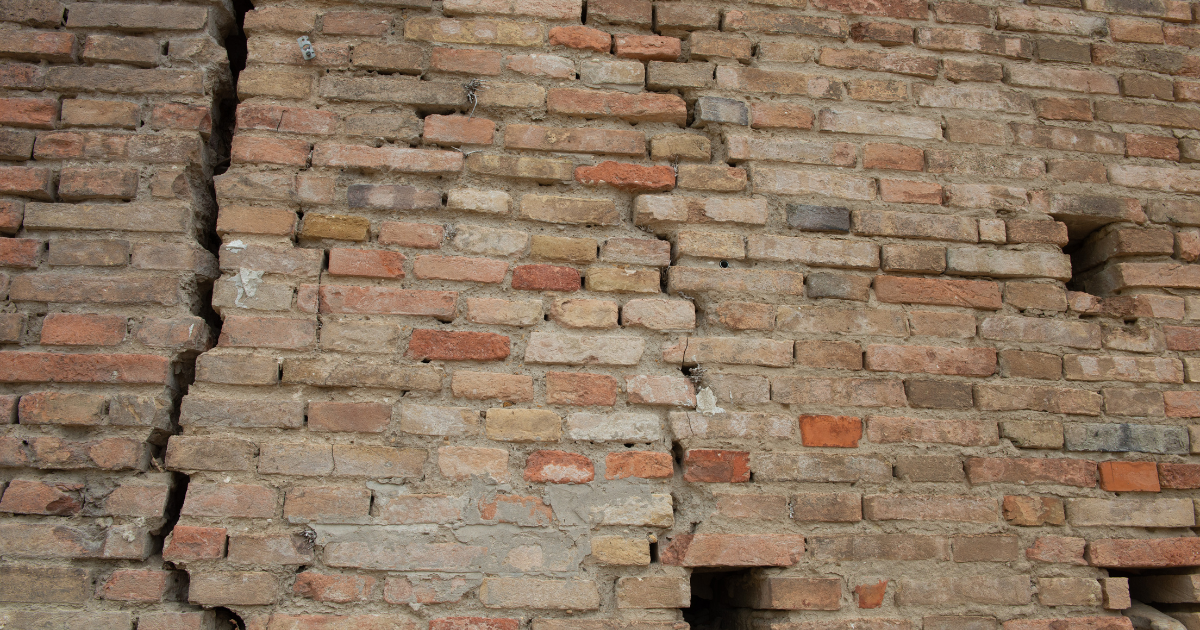
Early signs typically include diagonal cracking around openings, sticking doors or windows, and minor floor level changes. Identifying these signs early significantly increases the range of non-invasive repair options available.
What Does “Resolving Subsidence” Actually Mean?
Fixing subsidence is not a single technique. It means:
- Identifying the cause
- Eliminating further ground movement
- Stabilising the structure appropriately
In many Shire projects, the most effective fix is remedial, not foundational. For example:
- Drain repairs, removing soil softening or washout of fines
- Tree or root management stabilising clay soils
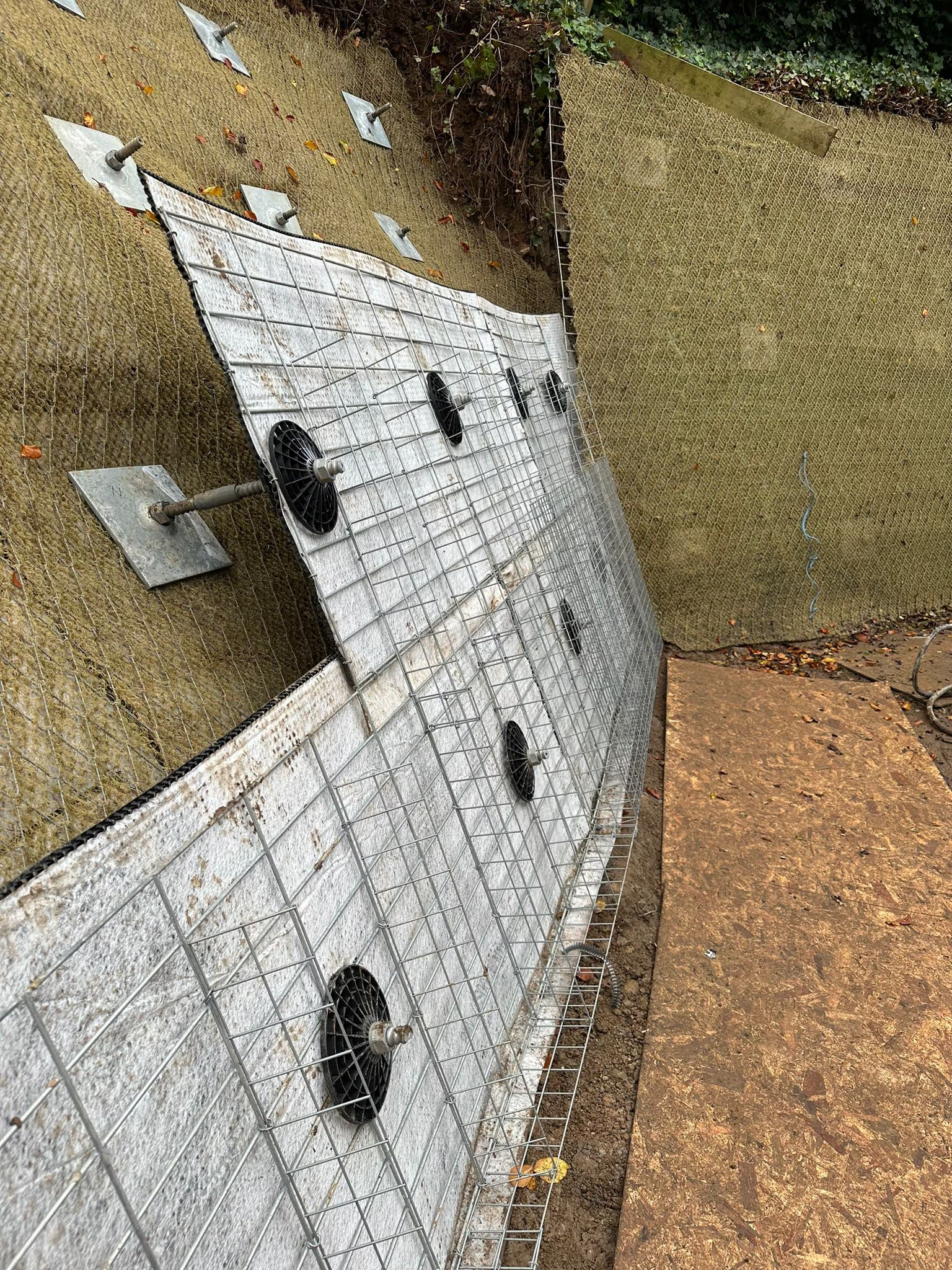
- Ground improvement or void filling beneath foundations or slabs
Only once the cause has been addressed does structural stabilisation become meaningful. This is why underpinning is never Shire’s starting point, and often not required at all.
What Is Foundation Stabilisation - and When Is It Used?
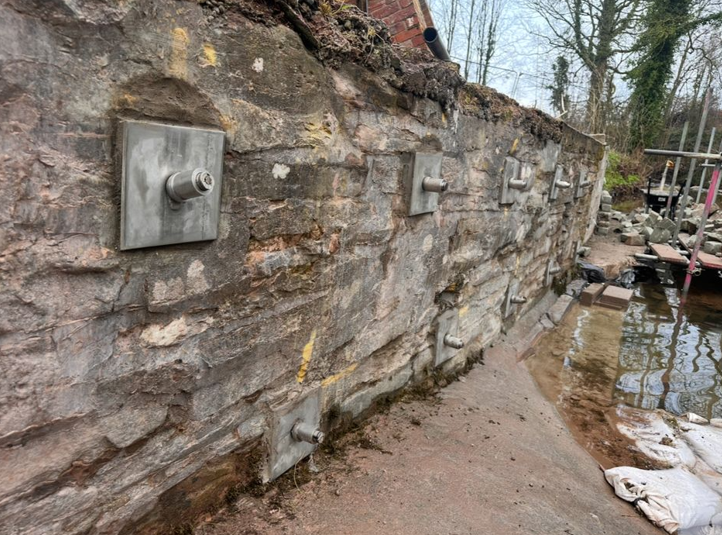
Foundation stabilisation is a structural solution that strengthens, extends or deepens existing foundations so they transfer loads to more stable ground. It is highly effective when genuinely required, but can be disruptive and costly.
Shire delivers foundational interventions only where:
- Ongoing movement persists despite the cause removal
- Structural loading exceeds near-surface soil capacity
- Monitoring confirms long-term instability
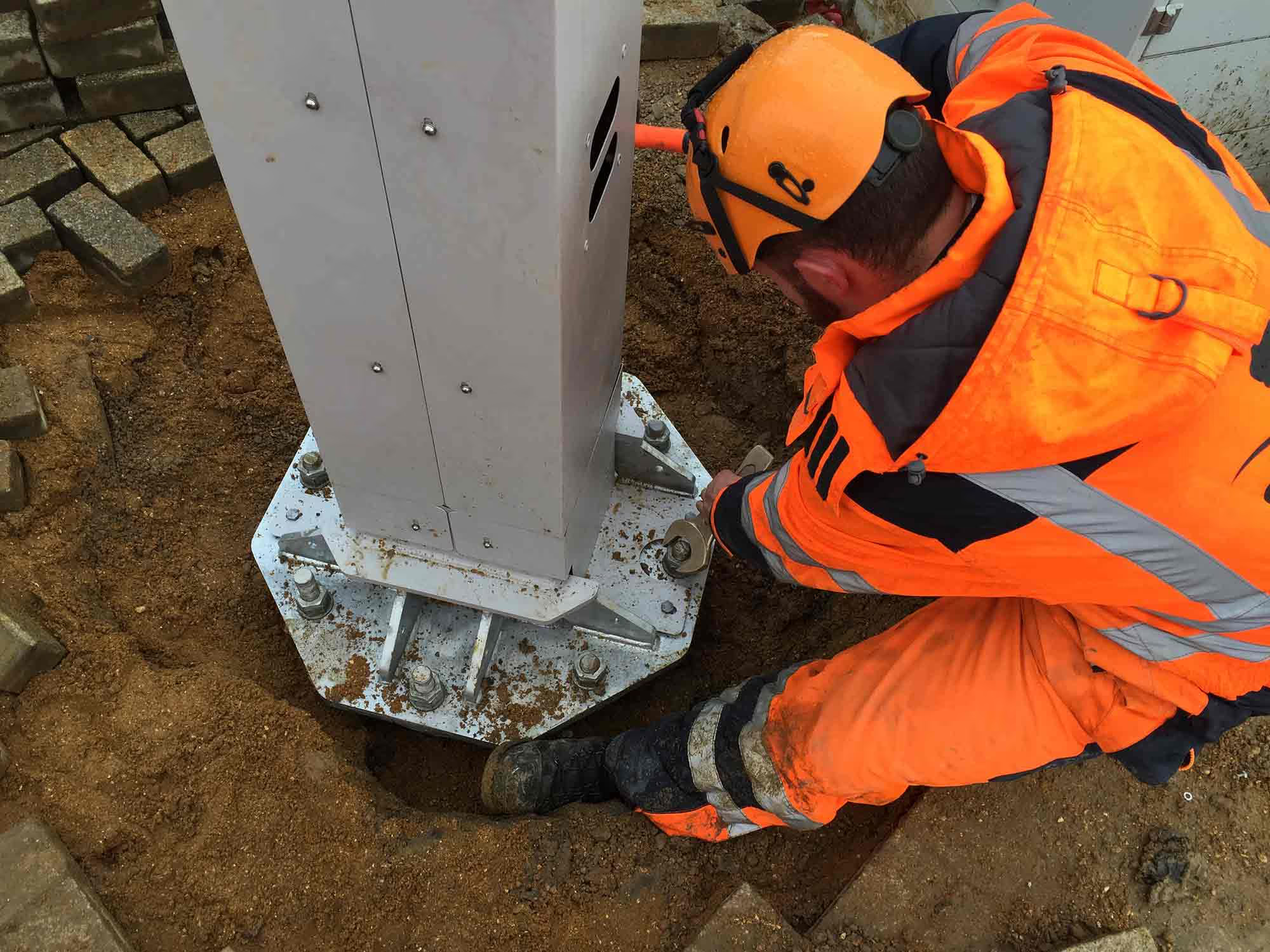
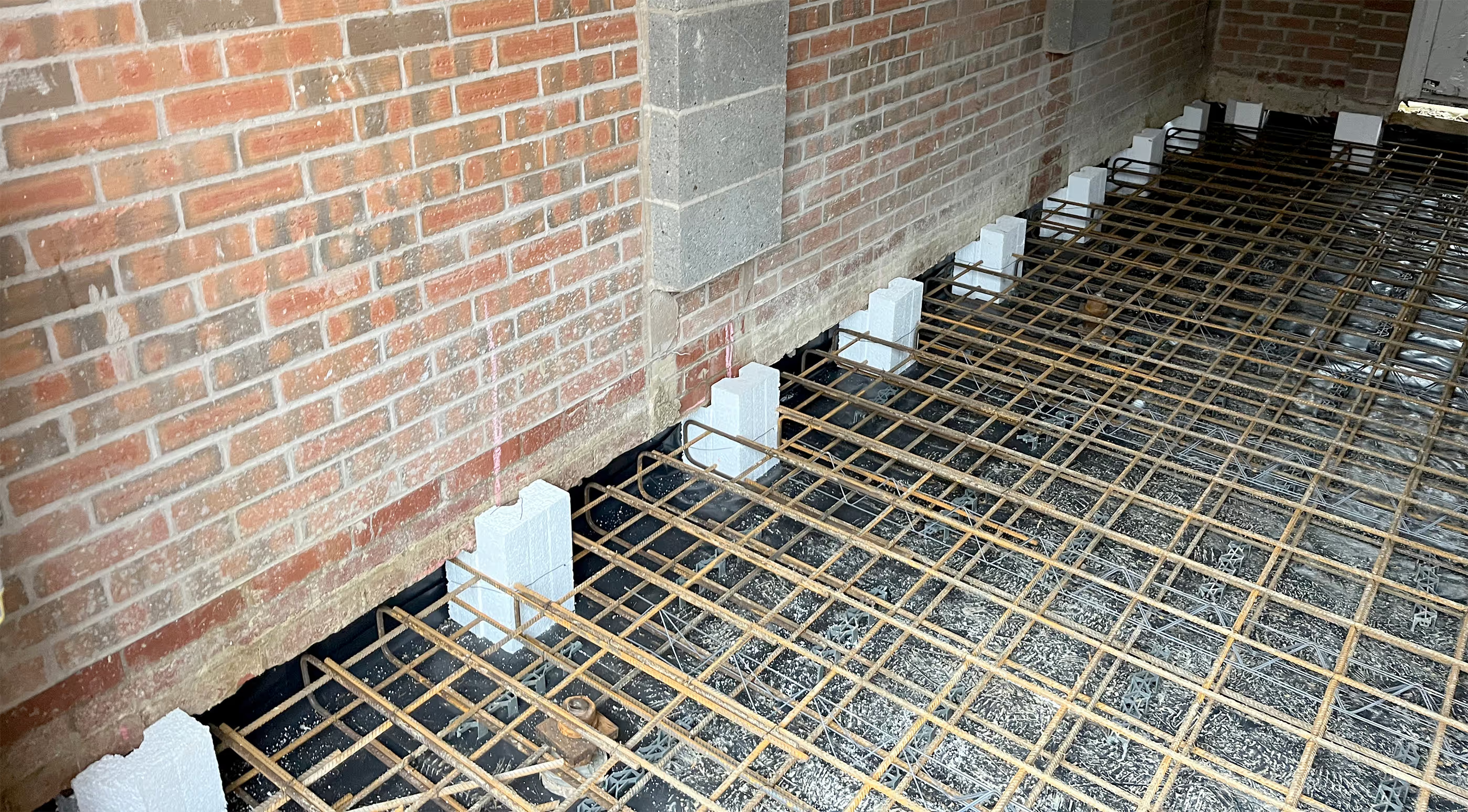
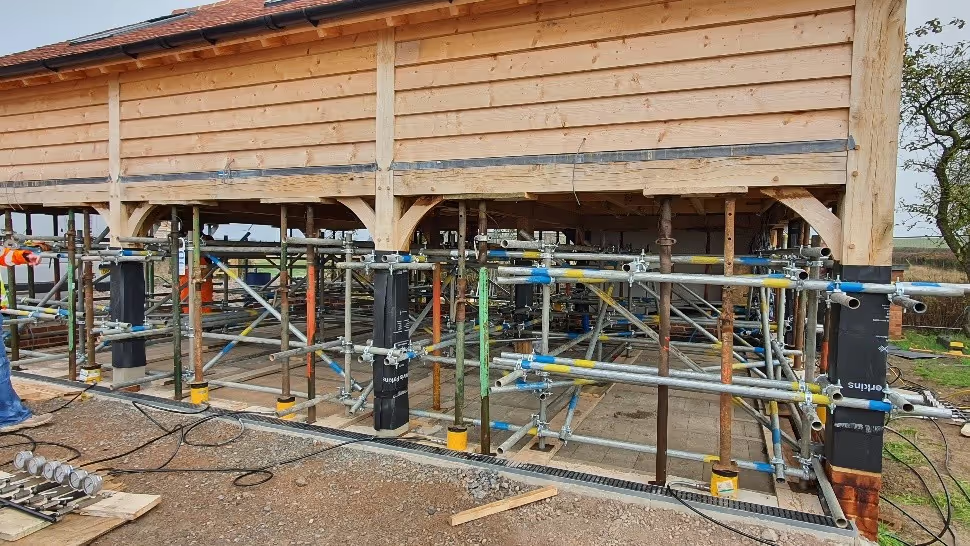
Methods may include traditional mass concrete underpinning, mini-piling, piled rafts, or specialist piling systems. Importantly, underpinning is one option among many, not the default response.
Resolving Subsidence and Foundation Stabilisation – Key Distinctions
The distinction is one of purpose and proportionality rather than simply method.
Resolving subsidence is a broad, cause‑led process focused on identifying and removing the source of ground movement, followed by stabilising the structure in a manner appropriate to the level of risk and movement observed.
Foundation stabilisation (including underpinning) is a specific form of structural intervention, used only where defined failure mechanisms or persistent instability mean that simpler remedial measures cannot achieve long‑term performance.
In practice, most subsidence cases are resolved through targeted, non‑invasive solutions such as drainage remediation, ground improvement (e.g. resin injection), slab stabilisation, or vegetation and root management.
Underpinning & piling are reserved for situations where engineering assessment confirms that these measures alone are insufficient to provide durable structural stability.
Do You Always Need Underpinning or Piling to Fix Subsidence?
Not at all - if movement stabilises once the cause is addressed, no further structural intervention may be required except for cosmetic superficial repairs. Underpinning & piling are recommended only when monitoring and testing show continuing or unavoidable movement.
- Structural inspection
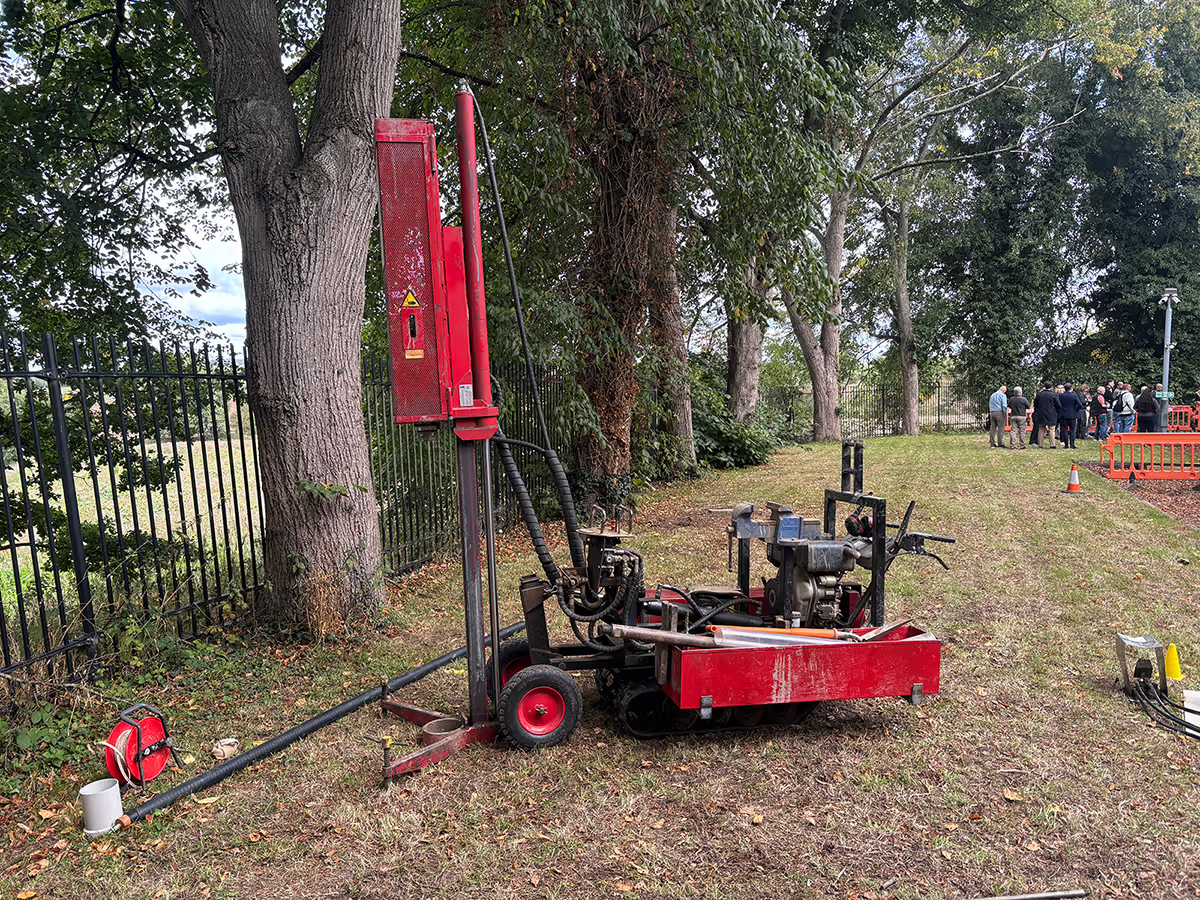
- Ground investigation
- Drainage assessment
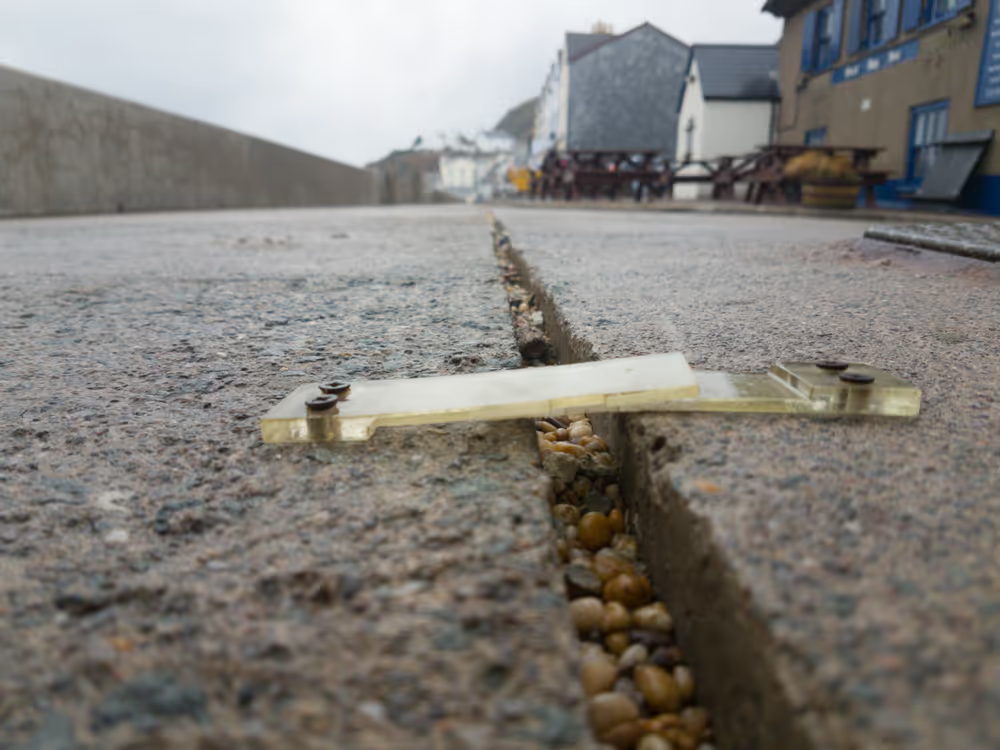
- Monitoring where appropriate
Cost and Disruption: A Practical Comparison
Drain repairs, ground stabilisation, or resin injection can often be completed with minimal impact on daily life.
Underpinning & piling represents a significantly larger construction process and is priced accordingly. Early identification and correct diagnosis are therefore critical in preventing unnecessary expenditure.
How Long Does Subsidence Repair Take?
Timeframes vary depending on cause and severity. Minor remedial works may be completed in weeks, whereas more complex cases include a monitoring period to confirm stability before permanent repairs.
Where underpinning & piling are required, timeframes are longer due to excavation, sequencing, and structural integration with the existing building.
Can Subsidence Be Fixed Permanently?
Yes – when the cause is properly addressed.
In Shire-led projects, permanent stability is achieved by:
- Addressing the driver of ground movement
- Selecting an appropriate stabilisation method
- Ensuring structural repairs follow stabilisation, not precede it
Foundation stabilisation provides a permanent solution where required, but so do many less invasive methods when correctly specified.
Subsidence, Property Value, and Insurance
Unresolved subsidence can affect property value, but proper investigation, repair, and documentation restore confidence for buyers and insurers alike.
Most UK building insurance policies cover subsidence-related investigations and repairs, subject to policy terms. However, unnecessary interventions can complicate future insurance discussions – another reason correct diagnosis matters.
How to Reduce the Risk of Future Subsidence
You can reduce risk by:
- Maintaining drainage and pipework
- Managing trees close to structures
- Monitoring early signs of movement
Regular inspection allows emerging issues to be dealt with early, avoiding escalation.
When Should You Seek Professional Advice?
If cracks are widening, doors are jamming, or floors feel uneven, a professional assessment should be sought promptly. Delay restricts repair options and often increases cost.
Why a Professional, Engineering-Led Assessment Matters
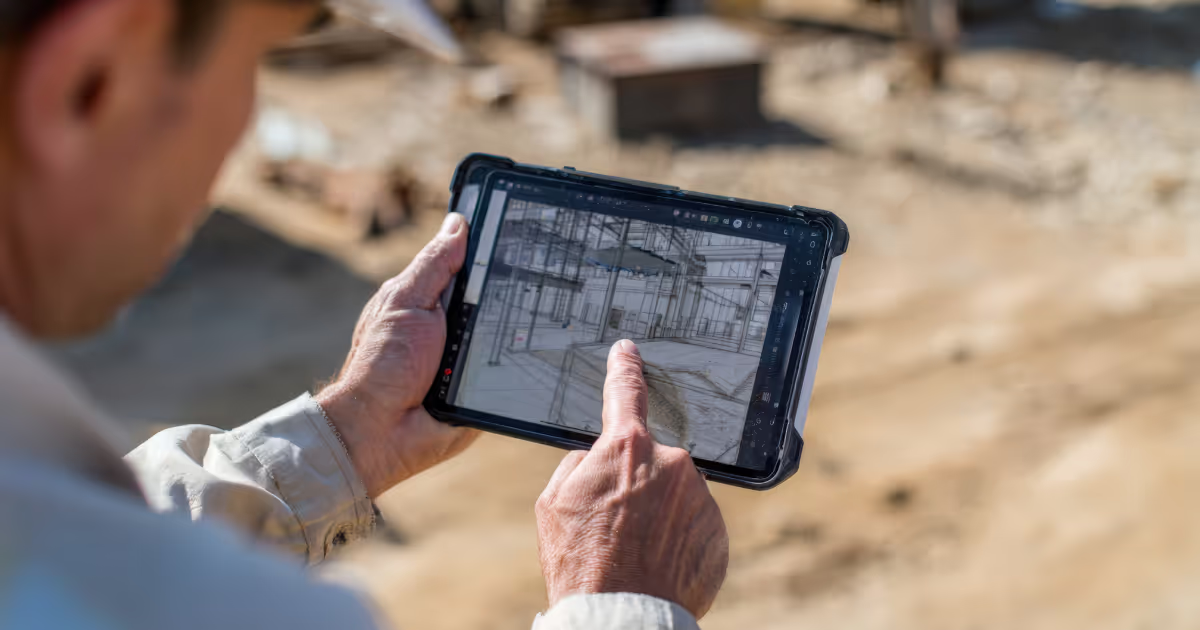
Subsidence cannot be accurately diagnosed by appearance alone. Shire’s approach combines structural assessment, geotechnical investigation, and monitoring to ensure the right solution is applied – and only where needed.
This prevents unnecessary underpinning & piling solutions, and ensures interventions are proportionate, durable, and technically justified.
Choosing the Right Way to Fix Subsidence
The key takeaway is simple:
Underpinning is not synonymous with fixing subsidence.
Most subsidence can be resolved by addressing the cause and stabilising the structure using less invasive methods. Early action, proper diagnosis, and an engineering-led approach are the most effective ways to protect your home and avoid unnecessary disruption.
Concerned About Subsidence? Speak to Shire
At Shire, we specialise in diagnosing and fixing subsidence using evidence-based, cost-effective engineering solutions. From investigation to remediation, we ensure your property receives exactly what it needs - no more, no less.
Contact Shire today for professional advice and long-term peace of mind.